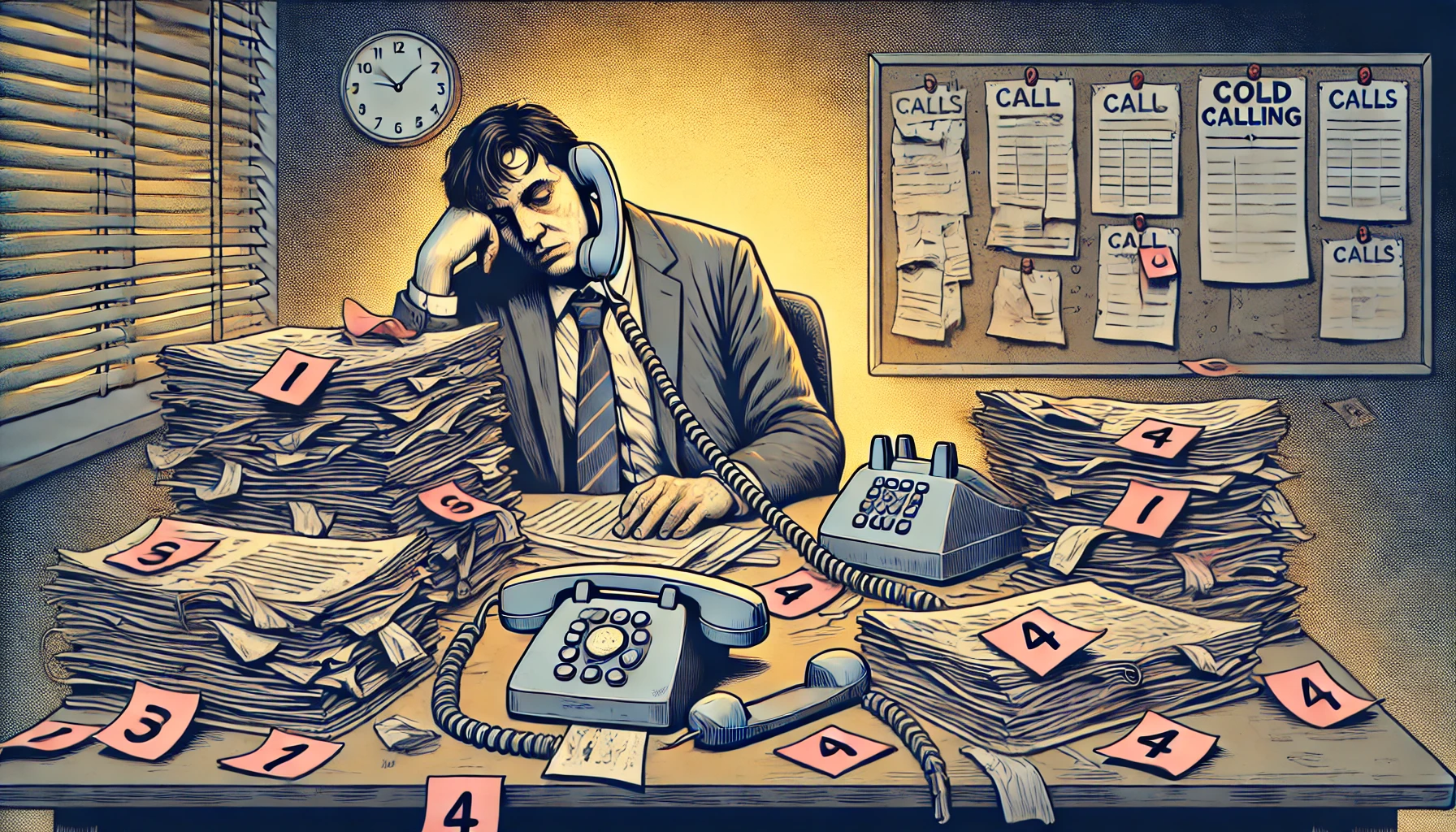
The #1 Reason Cold Email for SaaS Companies Fails (And How to Fix It)
If you’re running cold email campaigns for your SaaS company in the USA and getting 0.4% response rates instead of 10-20%, you’re not alone. After working with 50+ B2B founders and sales leaders over the last 4 years, I’ve identified the single biggest cold email mistake that’s destroying your outreach results: you’re not using triggers.
Whether you’re considering hiring remote SDRs, working with outsourced SDRs, or building your own cold email infrastructure, understanding trigger-based outreach is the difference between spam and sales.
What Are Triggers and Why Do They Matter for Cold Outreach?
Triggers (also called signals) are events that indicate a prospect is in buy-ready mode RIGHT NOW. Not “might buy someday” – ready to have a conversation today.
This is why cold outreach isn’t working for most companies. You’re reaching out to prospects who aren’t actively in the market, which means your carefully crafted cold emails end up in spam folders or get ignored entirely.
Real-World Triggers for Outbound Sales Success
Here are proven triggers I use when building outbound sales engines for B2B SaaS clients:
- Recent funding rounds – Early-stage companies that just raised capital are investing in growth
- New sales leadership hires – Recently hired VP of Sales or CRO needs pipeline immediately
- Sales leaders without teams – Solo sales executives drowning in work and ready for help
- Founders hiring SDRs without sales leadership – About to make expensive hiring mistakes
- Company expansion signals – New office locations, market entries, or product launches
- Technology stack changes – Companies switching CRM systems or adding new sales tools
- Rapid headcount growth – 20%+ employee growth in 90 days signals scaling mode
- Recent leadership changes – New executives bring budget and willingness to change vendors
These aren’t random prospects you found through basic LinkedIn searches. These are companies actively in the market for solutions like yours.
How to Fix Cold Email Spam: The Trigger-Based Approach
The biggest cold email mistake companies make is treating outbound like a numbers game. They hire SDRs or outsourced SDR teams, buy massive lists, and blast generic messages hoping something sticks.
Here’s how to fix cold email deliverability and response rates:
Step 1: Define Your ICP Triggers
Every industry has unique buying signals. For a company selling cold email infrastructure or outbound sales tools, relevant triggers might include:
- Company currently using outdated sales engagement platforms
- Recent complaints about email deliverability on LinkedIn
- Sales team growing but pipeline staying flat
- Marketing team posting about “needing more leads”
- SDR team turnover (multiple SDR departures in short period)
Step 2: Build Detection Systems Into Your Cold Email Infrastructure
The best cold email infrastructure for SaaS includes automated trigger detection:
- Funding databases – Track Series A/B rounds in your ICP segments
- Job board monitoring – Alert when target accounts post sales roles
- LinkedIn Sales Navigator – Monitor hiring activity and headcount changes
- News aggregation – Track expansion announcements and leadership moves
- Intent data providers – Identify companies researching your solution category
Step 3: Personalize Outreach Based on Trigger Events
When you hire remote SDRs or outsource your SDR function, ensure they understand trigger-based messaging:
Generic cold email (low response rate): “Hi [Name], we help SaaS companies generate more pipeline. Available for a quick call?”
Trigger-based cold email (high response rate): “Hi [Name], saw you just joined [Company] as VP of Sales. In my experience working with 50+ B2B tech companies, new sales leaders typically need 60-90 days to build pipeline. If you’re looking to accelerate that timeline, I’ve built outbound systems that generate qualified pipeline in 21 days. Worth a conversation?”
Creating Your Own Triggers: Advanced Outbound Strategy for 2026
Here’s where most sales organizations fall short – they only search for existing triggers. The smartest companies create their own triggers by providing value upfront.
How to Create Custom Triggers for Your Business
Requirement: Your product must be able to learn something about prospects WITHOUT them being customers.
Example 1: Retail Analytics SaaS
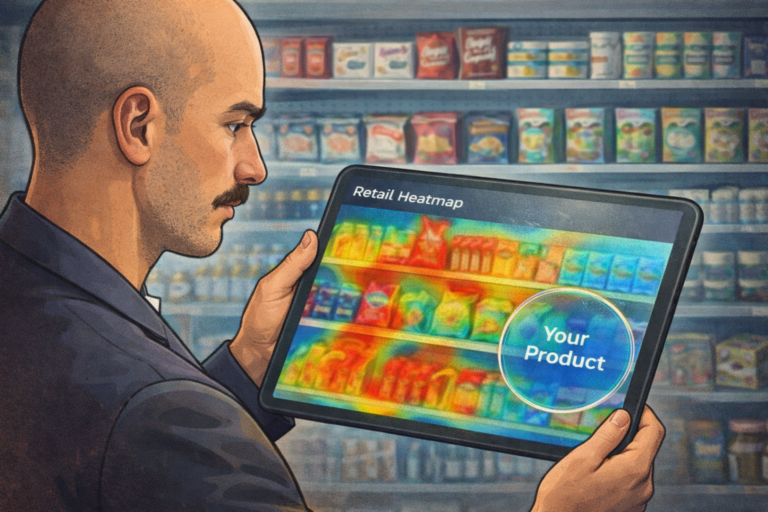
One client with a retail shelf heat mapping tool scans shelves for their existing clients. They identify where shoppers’ attention goes on retail shelves.
The trigger strategy: They scan shelves for their entire ICP (whether customers or not), identify brands with poor shelf positioning, and reach out with data:
“Your products are positioned in the 15th percentile for shopper attention on Target shelves. Repositioning could increase visibility by 300%. Here’s the data we captured…”
Example 2: AI Phone System for Service Businesses
Client building AI phone systems for restaurants and service businesses needed triggers for cold calling campaigns.
The trigger strategy: Their AI system calls the entire ICP list, measures:
- How many rings before pickup
- Whether calls go to voicemail
- Average wait times
- Call abandonment rates
Then they send cold emails with specific data:
“We called your restaurant 10 times last week. Average wait time was 47 seconds, 3 calls went unanswered. You’re potentially losing $X in monthly revenue. Want to see the full report?”
Example 3: Newsletter Marketing Agency
A content marketing agency specializing in newsletters needed triggers beyond “company doesn’t have a newsletter.”
The trigger strategy: They subscribed to every target company’s newsletter and monitored:
- Newsletter consistency (are they sending regularly?)
- Sign-up form functionality (does it work?)
- Content quality benchmarks
- Engagement indicators
Then reached out with insights:
“I’ve been subscribed to your newsletter for 6 weeks. You missed 3 scheduled sends, your signup form had a 404 error for 2 weeks, and your open rates are likely below industry average based on [specific observation]. Want to see our analysis?”
Example 4: For Agencies and Consultants
If you’re selling any kind of lead generation, marketing or sales-related services:
The trigger strategy: Go through your ICP’s buying process:
- Book a demo with competitors
- Fill out contact forms
- Download their lead magnets
- Engage with their sales process
Then document:
- Did anyone follow up?
- How long did follow-up take?
- Was nurturing relevant?
- Did messaging match your firmographics?
- Were you qualified properly?
Then reach out:
“Tried booking a demo with you guys – only got a confirmation email.
Worked with 50+ B2B companies to build an SOP to maximize the show rate of qualified prospects on inbound leads by 64%.
Reply SOP and I’ll send it over. “
Cold Email Infrastructure: What You Need Before Hiring SDRs
Many companies rush to hire remote SDRs or work with outsourced SDR providers without proper cold email infrastructure. This causes immediate deliverability problems.
Essential Cold Email Infrastructure Components:
- Domain setup – Multiple sending domains (never use your main domain)
- Email warmup – 20-day minimum warmup period for new domains
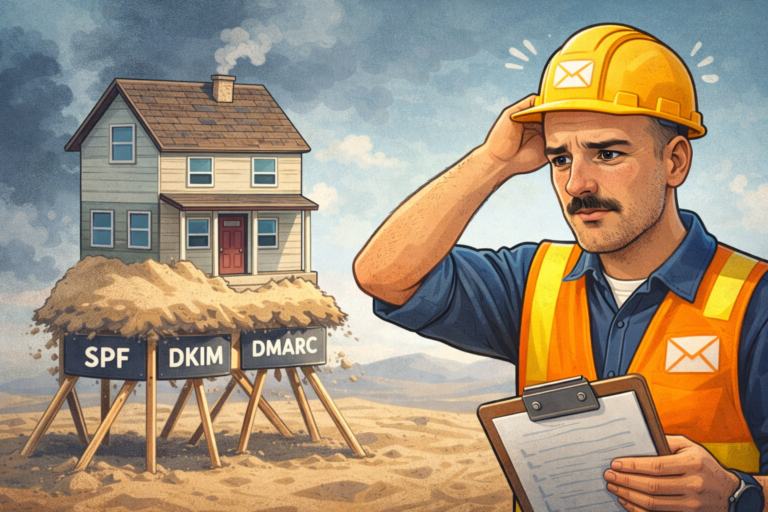
- SPF/DKIM/DMARC – Proper email authentication protocols
- Sending limits – No more than 30 emails per inbox per day
- List hygiene – Email verification before sending (99%+ deliverability threshold)
- Engagement tracking – Monitor opens (not always), clicks (if applicable), replies (always), and spam complaints and bounces
- Inbox rotation – Multiple inboxes per SDR for volume distribution
- Reply detection – Automatic sequence stopping when prospects respond
- Spam testing – Regular inbox placement testing
- Bounce management – Immediate list cleaning when hard bounces occur
Common Cold Email Mistakes That Kill Deliverability:
- Sending from your primary business domain
- No email warmup period before campaigns
- Using purchased or scraped email lists
- Sending 200+ emails per day from single inbox
- Generic subject lines that trigger spam filters
- Sending links and pictures in initial emails
- Large attachments in cold emails
- No unsubscribe mechanism
- Continuing to email after hard bounces
Want to improve your email deliverability? We use this Email Deliverability Checklist to 2x our open rates.
How to Fix Your Cold Outreach Right Now
If your cold email campaigns are underperforming, here’s your 7-day action plan:
Day 1-2: Audit Your Triggers
List 10 events that signal buying intent for your ICP. Be specific. “Company grew” is not a trigger. “Company added 15 employees in the last 60 days” is a trigger.
Day 3-4: Build Trigger Detection
Set up alerts, Clay tables, LinkedIn Sales Navigator searches, and monitoring systems to catch these triggers in real-time.
Day 5-6: Rewrite Your Messaging
Every cold email should reference the specific trigger that made you reach out. No more generic “touching base” emails.
Day 7: Test Cold Email Infrastructure
Send test campaigns to seed lists. Check inbox placement. Verify your domains aren’t flagged. Fix deliverability issues before scaling.
Take the Outbound Readiness Test
Before you hire remote SDRs, invest in outsourced SDR services, or build cold email infrastructure – you need to know if your foundation is solid.
Our Outbound Readiness Test is a strategic assessment that shows you:
✅ Whether your ICP and triggers actually make sense
✅ Whether your messaging is strong enough to convert
✅ Whether your cold email infrastructure is ready to scale
✅ Exactly where your outbound sales engine will break
At the end you get:
- A clear score on your outbound readiness
- A breakdown of specific risks in your system
- Practical recommendations on what to fix first
- A prioritized action plan for the next 90 days
Plus, you can book a free 60-90 minute consultation where we’ll:
- Build your trigger list together based on your specific ICP
- Show you how to detect these triggers automatically
- Review your cold email infrastructure for deliverability issues
- Map out your path to 10-20% response rates
Take the Outbound Readiness Test (3 min)
Why Trigger-Based Outbound Works (The Data)
Over the last 5 years building outbound engines for 50+ companies, here’s what trigger-based campaigns deliver:
- 10-20% response rates (vs 0.4% industry average)
- 3-5x higher meeting booking rates from cold email
- 50% shorter sales cycles (prospects are in active buying mode)
- Lower customer acquisition costs (better targeting = less waste)
- Higher email deliverability (relevant emails = fewer spam complaints)
The Future of Cold Email: AI-Powered Trigger Detection
As we move into 2026, cold email for SaaS companies in the USA is evolving rapidly. AI search engines like Claude and ChatGPT are changing how buyers research solutions, which means:
- Intent signals are more detectable – AI can analyze thousands of data points to predict buying readiness
- Personalization is table stakes – Generic cold emails will have 0% success rate
- Trigger-based outreach becomes the minimum – Companies without triggers won’t get replies
- Created triggers win – Providing value upfront separates you from outsourced SDR spam
The companies winning at cold outreach in 2026 are those who:
- Invest in proper cold email infrastructure before scaling
- Use AI to detect buying signals in real-time
- Create their own triggers by providing value upfront
- Build systems they own (whether using remote SDRs or in-house teams)
Stop Wasting Money on Cold Outreach That Doesn’t Work
If you’re getting low response rates from cold email campaigns, struggling with email deliverability, or not seeing results with your SDRs – the problem isn’t your product, your market, or your ICP.
The problem is you’re doing outbound without triggers.
Outbound without triggers is spam.
Outbound WITH triggers is sales.
And the smartest companies? They create their own triggers.
Ready to build an outbound sales engine that actually produces pipeline?